
Safety and Heat Prep for Your Moab–La Sal Mountain Retreat

Updated: Sep 4
Planning a restorative retreat while prioritizing Moab heat safety means learning to live in two distinct worlds at once. By day, you can explore the hot, sun‑baked canyons and arches around Moab; by evening, you’re back in the cool, quiet air of Old La Sal, listening to the wind in the trees instead of highway noise or city traffic.
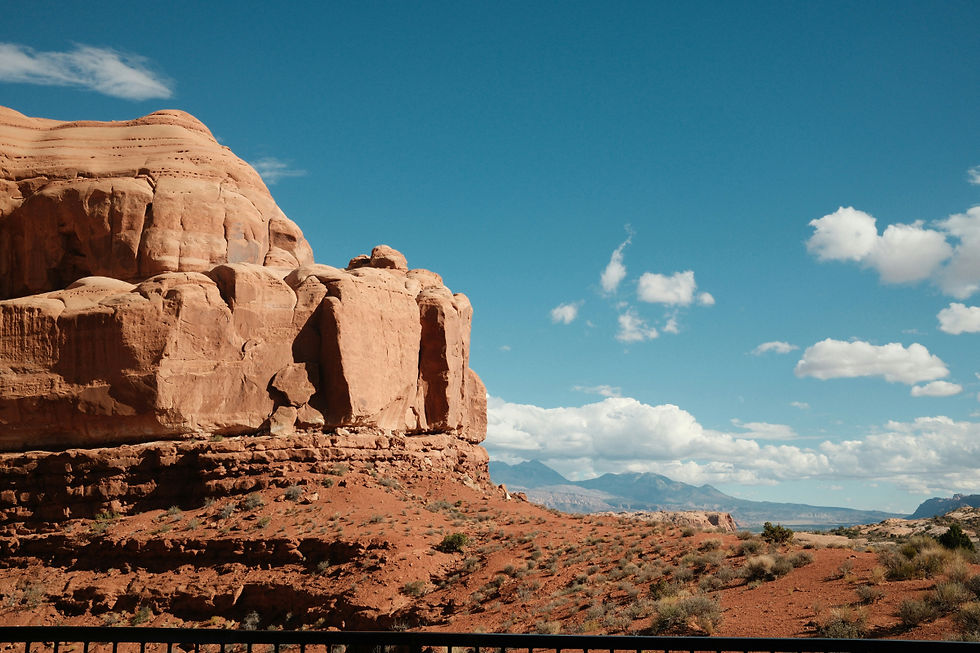
This post is about how to move between those two worlds wisely. A little thought about heat, hydration, and simple safety habits goes a long way toward turning your trip into a true retreat—one where you can say “yes” to adventure without nagging worry in the back of your mind.
Know Your Two Environments: Moab and La Sal Heat Safety

The Moab area is high desert: big sky, strong sun, rock that holds heat, and air that pulls moisture from your body faster than you realize. Even in spring and fall, you can get warm, dry, and tired more quickly than you would on a similar‑length walk back home.
Trails are often exposed, with little shade. Rock reflects the sun. Views are so wide and beautiful that distances can be deceiving; what looks like “a quick jaunt” to a viewpoint may be longer and hotter than it appears on a postcard. By understanding Moab heat safety before you hit the trail, you can ensure your desert adventures stay memorable for the right reasons.
Cooler evenings in the La Sal Mountains
Deer Creek Retreat sits up in the La Sal Mountains where evenings and mornings are usually cooler than Moab, even in the hottest part of summer. That’s part of the gift of Old La Sal: you can step out of the desert oven and into something closer to mountain air for morning sunrise or evening stargazing.

The trade‑off is that you need to pack and plan for both contexts. You’ll often wake up reaching for a light layer on the porch, then peel down to sun‑smart clothing when you head toward town or the parks, and pull that layer back on when you come home after dark.
Hydration and Electrolytes Made Simple
How much water to plan for?
There’s no single perfect number for everyone, but a simple starting point for desert days is:
Carry at least 2–3 liters of water per person for active half‑day outings.
Consider 3–4 liters per person for longer hikes, very hot days, or if you tend to run dry.
Keep extra water stashed in your vehicle as a backup.
If you’re used to hiking in milder climates, that might feel like overkill. Out here, it’s just normal and a good idea to be prepared. In fact, as a kid in Moab, my dad taught us to carry water everywhere. To this day, I carry a gallon jug of water in my car, just in case. It’s much easier to carry extra water than to wish you had more to drink when you’re far from a faucet.
Why electrolytes matter in the desert
Water alone isn’t the whole story. When you sweat, you lose salts and minerals—electrolytes—that your muscles and nervous system rely on. In dry desert air, you can lose more than you realize because sweat evaporates so quickly.
You don’t need anything fancy. A few easy options:
Single‑serve electrolyte drink packets you can add to a bottle.
Powdered mixes you scoop into a larger bottle before heading out.
Sports drinks or electrolyte tablets you bring along in a small stash.
Aim to use electrolytes when you know you’ll be moving for several hours in heat, not just when you already feel bad. It’s about staying ahead of the curve.
Hydration habits that help
Gear is one thing; habits are another. A few small practices can make a big difference:
Sip regularly instead of “chugging when thirsty.”
Start hydrating the evening before a big hike or river day.
Pay attention to simple signs: dark urine, headache, nausea, crankiness, and unusual fatigue are all yellow flags.
If someone in your group starts to feel off, slow down. Find shade if you can. Sip water, add electrolytes, and don’t be afraid to call it a day early. No view is worth pushing past your body’s warnings.
Timing Your Adventures to Beat the Heat
Early and late are your friends
When it comes to Moab heat safety, timing your excursions carefully is one of your absolute best tools. Many seasoned visitors plan their main outings for:
Early mornings (sunrise to late morning), and
Late afternoons into sunset.
The light is softer, the temperatures are gentler, and popular places feel a bit less crowded. A longer hike like Delicate Arch is more enjoyable when you’re not walking in the harshest sun of the day.
Build in a midday “retreat block”
Because you’re based in Old La Sal, you don’t have to grind all day in town just to “get your money’s worth.” Instead, you can think in terms of a retreat rhythm:
Morning: head into Arches, Canyonlands, the river corridor, or Moab’s trails.
Midday: return to Deer Creek for lunch, a nap, reading, journaling, or simply sitting on the porch.
Late afternoon/evening: if you still have energy, head back out for a scenic drive or sunset viewpoint; or stay in and enjoy a long, unhurried evening.
This is where your retreat and safety priorities align. When you naturally avoid the hottest hours, you protect your body and protect the spirit of your trip at the same time.
Sun, Clothing, and Heat‑Smart Gear
Dress for the desert (and the mountains)

Desert clothing is less about looking rugged and more about managing sun and temperature. For most guests, the basics look like this:
Light‑colored, breathable long‑sleeve shirts to protect arms without overheating.
Lightweight hiking pants or longer shorts that dry quickly and guard against rock scrapes and sun.
A wide‑brim hat that shades your face, ears, and neck.
UV‑blocking sunglasses that stay put when you move.
One light warm layer (like a fleece or windbreaker) tucked into your daypack, even when the day starts out warm.
That single layer can make a big difference if the wind picks up on a canyon edge or the sun drops faster than you expected.
Sunscreen and skin protection
Out here, sunscreen is not a “maybe.” The higher elevation, reflective rock, and hours outside can sneak up on you. A simple routine:
Use a broad‑spectrum sunscreen on exposed skin before you leave the Old La Sal area.
Reapply every couple of hours, especially on noses, cheeks, ears, and the back of your neck.
Don’t forget SPF lip balm—sunburned lips can make the rest of your trip miserable.
Even on cooler or breezy days, the sun is still doing its work. Cloud cover often lulls people into underestimating exposure.
Small gear that makes a big difference
You don’t need an expedition kit to be safe here, but a small handful of items pays off again and again:
A comfortable daypack.
Water bottles or a hydration bladder you actually like to drink from.
Basic first‑aid: blister care, band‑aids, pain reliever, any medications you personally need.
A headlamp or small flashlight, even if you don’t plan to be out after dark.
Optional trekking poles if you appreciate extra stability on rocky or uneven trails.
A lightweight bandana or buff you can wet to cool your neck or cover skin.
Many seasoned hikers also carry a compact multi‑tool—Leatherman is a well‑known example—because it quietly solves a dozen little problems: trimming a loose strap, tightening a screw, cutting a bit of cord, or opening stubborn packaging.
Official Backcountry Field Manuals
Before you hit the trail and lose cell service in Moab or the La Sal Mountains, grab the standalone digital PDF field guides for your trip:
High-Desert Survival Field Manual
Instant offline access to our 1-gallon hydration formula, 12:00 PM alpine lightning rules, and slot canyon flash-flood protocols.
Mountain to Desert Field Manual
Navigation strategies for elevation and terrain transitions, rapid weather shifts, and the complete 10-essential trailhead checklist.
Simple Safety Habits for Desert and Mountain Days
Tell someone your plan
No matter how experienced you are, it’s wise to let someone know:
Where you’re going
When you expect to be back
Who is with you
You can text a friend or family member back home, and you’re welcome to let us know your general plan as well. If your plans change, send a quick update. It takes 30 seconds and adds a layer of protection you’ll be grateful for if something unexpected happens.
Respect distance, elevation, and terrain
The red rock country around Moab has a way of making everything look closer and easier than it really is. What you see as “just over that rise” may involve more elevation gain, uneven rock, and time on your feet than you anticipated.
A few gentle guardrails:
Choose trails and activities that fit the least‑experienced member of your group.
Don’t stack multiple “big” hikes into one day just because they’re on the same highway.
Remember that walking on rock—especially in heat—can take more out of you than the same distance on a forest trail back home.
Weather awareness and turn‑around wisdom
Before you leave the cabin or tiny home, take a moment to check the forecast for both Moab and the La Sals. You’re watching for:
High temperatures and potential heat advisories.
Thunderstorms, especially in canyon areas.
High winds that can make exposed viewpoints uncomfortable or unsafe.
Most important of all: give yourself permission to turn around. If someone in your group is showing signs of trouble, if the heat feels heavier than expected, or if the clouds are building faster than you like, call it and head back. Desert humility is a kind of wisdom.
A Simple Safety and Heat Prep Checklist
Here’s a quick checklist you can save on your phone or print before you come:
Check today’s forecast for both Moab and Old La Sal.
Choose a hike or outing that matches your group’s energy and experience.
Pack at least:
Extra water and some kind of electrolytes
Snacks or lunch
Sun protection (hat, sunscreen, SPF lip balm, sunglasses)
Basic first‑aid and blister care
A light layer, even if the day starts out warm
Navigation you trust (offline map, paper map, or a clear route plan)
A headlamp or flashlight
Tell someone your plan and when you expect to be back.
Start early or later in the day; avoid the hottest hours when you can.
Build in margin; stop before you’re wiped out.
You don’t need to check every box perfectly every time, but the more of these you treat as normal, the smoother your days will be.
Helpful Local and Wilderness Resources
You’re not alone in figuring this out. The Moab area and the wider outdoor community offer excellent resources you can lean on:
Moab Information Center (Visitor Center) – Located in downtown Moab, the visitor center is a great first stop when you roll into town. Staff can help you check current conditions, road and trail closures, weather patterns, and park updates, and they offer free maps, brochures, and ideas tailored to your group’s abilities and interests. If you’re unsure where to start—or want a quick reality check on your plans—this is an easy place to ask questions and get up‑to‑date, local advice.
Moab Adventure Center – A long‑time hub for guided rafting, Hummer safaris, national park tours, and family‑friendly adventures. If you’d rather go with experienced guides who know the weather, routes, and safety protocols, this is a great place to start.
Gear shops in Moab (like GearHeads Outdoor Store) – Well‑stocked outdoor stores where you can pick up forgotten gear, refill on free filtered water, or get advice on clothing, footwear, and simple equipment for your plans.
Regional “10 Essentials” guidance – Local search‑and‑rescue groups and visitor sites share checklists of core items—navigation, sun protection, extra food and water, first aid, light, repair kit, extra layers, and some form of emergency shelter—that apply especially well in the Moab area.
Wilderness skills schools – Organizations such as Nature Reliance School, Mountain Shepherd, and Wilderness Awareness School (you can look them up before or after your trip) teach people to pair simple gear with good judgment: reading the land, understanding weather, and moving lightly and respectfully through wild places.
You don’t need a full survival course to enjoy this retreat. But if being out here awakens something in you—a desire to understand the land more deeply—these are beautiful places to keep learning.
Safety as Part of the Retreat
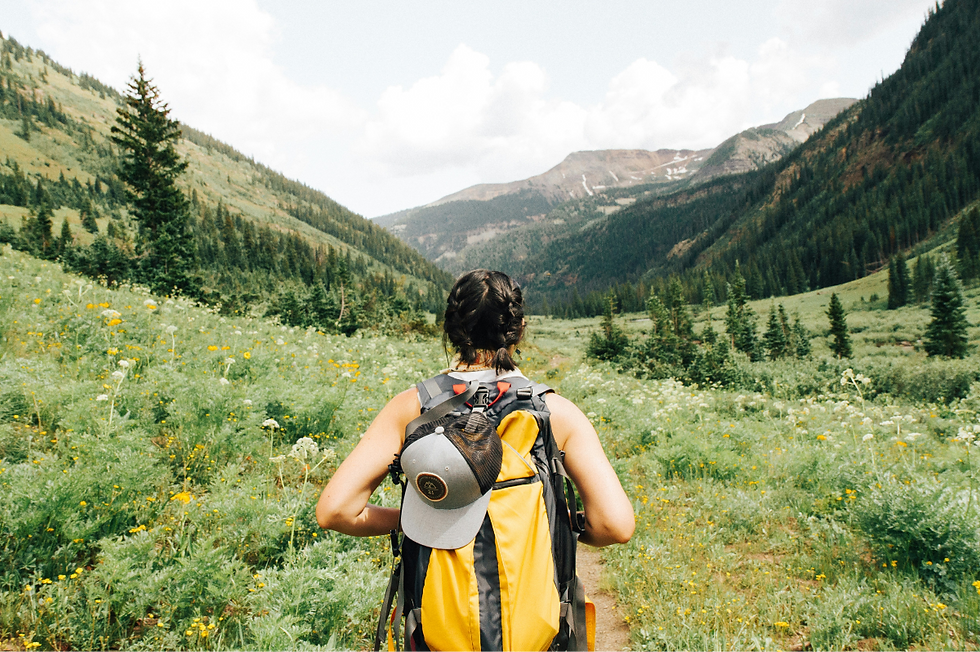
At its core, good safety and heat prep is a form of hospitality to your future self and to the people you love. You’re choosing, ahead of time, to make tomorrow’s body and soul as cared for as possible.
When you respect the desert and the mountains in this way, you free your mind to soak in what you came for: red rock arches glowing in low light, canyon shadows, river bends, mountain silhouettes, and quiet nights under stars. Wise preparation isn’t the opposite of faith or adventure—it’s what lets you say “yes” to both.
Deer Creek Retreat in Old La Sal, UT is here as your basecamp, book a stay in the main cabin or tiny home, for that kind of trip: courageous, careful, and deeply restorative.
Cheers!
Justin
The Deer Creek Retreat Prep & Field Guide Series
Part 1: Soul Care in the High Desert: How to Turn Your Moab Trip into a Mini Retreat
Part 2: Staying at Deer Creek Retreat: Best Things to Do in Moab and the La Sal Mountains
Part 3: Safety and Heat Prep for Your Moab-La Sal Mountain Retreat
Part 4: Old La Sal Basecamp: Practical Desert Survival Skills for First-Time Moab Visitors
Part 5: First Time Moab Visitor Mistakes (and How a Deer Creek Retreat Basecamp Fixes Them)
Part 6: Family Retreat Between Cabin and Canyon: Helping Kids Thrive in Moab and Old La Sal
Part 7: Planning to Pack for Old La Sal, Utah: Mountain Calm Meets Moab Adventure
🎒 Heading out on the trail? Don’t hit the backcountry without the essentials stored offline. Grab the High-Desert Survival Field Guide for critical hydration formulas, alpine lightning cutoffs, and flood protocols, or pick up the Mountain to Desert Guide for complete route transition strategies and our 10-essential trailhead audit.
About the Author
The author holds a Ph.D. and is an ordained professional chaplain, specializing in the integration of motivation and choice theory, psychological resilience, and pastoral soul care. Transitioning from a ten-year active duty career as a Chaplain in the U.S. Army—where he served within the high-intensity environment of a critical care hospital—his work bridges empirical behavioral science with practical strategies for long-term identity formation. He serves as the primary researcher for grittygritgrit.com, a digital platform dedicated to helping individuals cultivate authentic perseverance through the profound transitions, traumas, and valleys of life. You can explore more of his work and high-mountain-desert writing at deercreeklasal.com.


Comments