
Visit Horseshoe Canyon from Moab: Respectful Guide to Ancient Rock Art
Updated: Aug 18
If you want to visit Horseshoe Canyon from Moab, you need to prepare yourself for a shift in perspective.
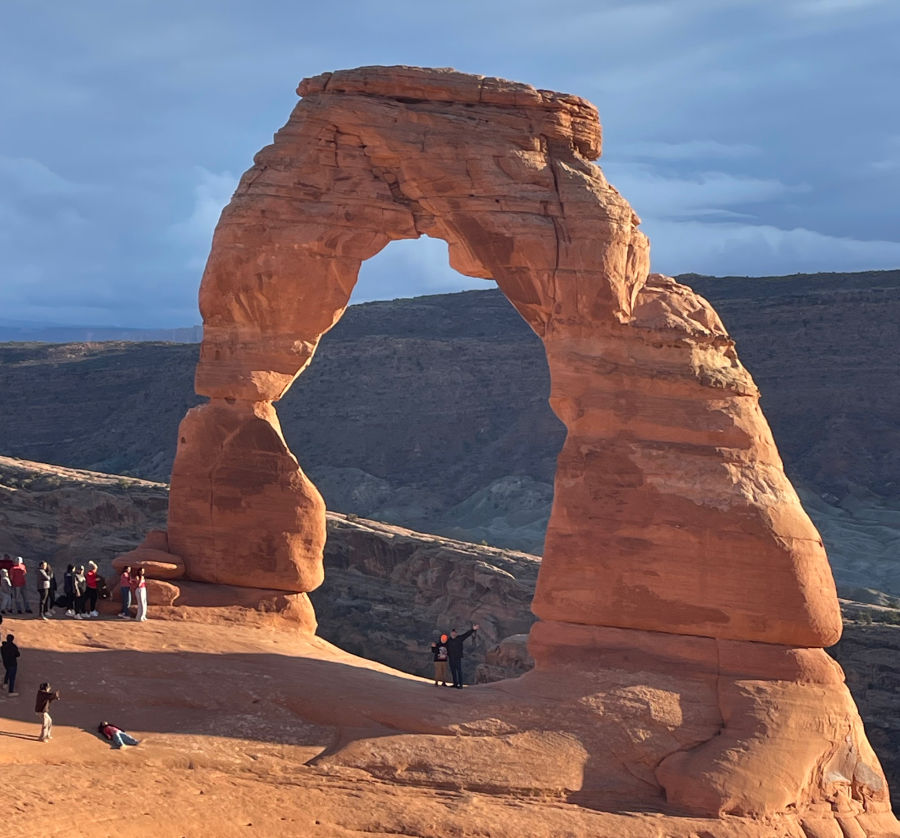
Most visitors to southeastern Utah spend their days navigating busy national park entrance lines, jockeying for parking spots at crowded trailheads, and sharing iconic sandstone views with hundreds of fellow travelers. But out on the quiet fringes of the canyon country—where paved highways give way to corrugated dirt roads and deep wash corridors—a very different kind of adventure awaits.
In Part 1 and Part 2 of this Ancient Spirits series, we explored the eerie visual presence, pigment chemistry, and competing theories surrounding Barrier Canyon rock art. We looked at the towering, limbless figures with hollow eyes that watch over remote cliff walls and examined how early human communities marked these canyons with profound spiritual and astronomical intent.
Now, it’s time to lace up your boots and experience these ancient stone guardians in person.
Whether you are staying in the high-altitude sanctuary of Deer Creek Retreat in Old La Sal or using the Moab and surrounding region as your basecamp, this guide provides a complete, practical roadmap to exploring Sego Canyon and Horseshoe Canyon safely, respectfully, and intentionally.
Exploring the Two Pillars of Barrier Canyon Art
To experience the full spectrum of this ancient artistic tradition, two primary destinations stand out above the rest: Sego Canyon and Horseshoe Canyon.
While both sites feature world-class examples of the spectral, elongated figures that define the style, they offer radically different travel experiences.
The Two Art Destinations
Sego Canyon
Access: Drive-up access (No major hike)
Distance: 1.5-hour highway drive from Old La Sal
Highlights: Multi-cultural art panels + Ghost Town ruins
Horseshoe Canyon
Access: 7-mile round-trip canyon wash hike
Distance: 2-hour drive west across remote dirt roads
Highlights: Pristine Great Gallery panel in a secluded alcove
Integrating both into your itinerary gives you an incredible cross-section of regional history—from accessible roadside panels to deep wilderness immersion.
Stop 1: Sego Canyon – Multi-Layered History & Ghost Town Ruins
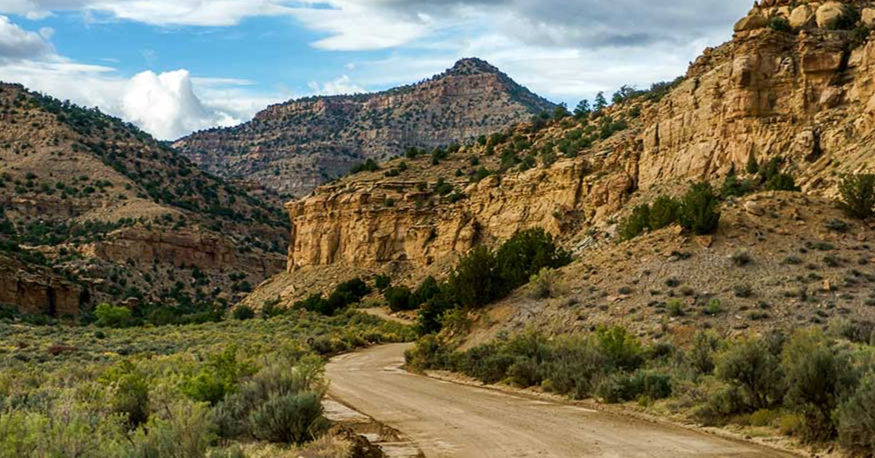
Located just over a half-hour north of Moab and about an hour and a half of Old La Sal near the small town of Thompson Springs, Sego Canyon is one of the most accessible and culturally rich rock art sites in North America.
What Makes Sego Canyon Unique
What makes Sego Canyon extraordinary is that it acts as a physical timeline of human presence. On the exact same sandstone cliff walls, you can observe three distinct historical periods layered alongside one another:
Barrier Canyon Style: The oldest layer, featuring tall, red-ochre, ghost-like forms with hollow eye sockets and crowned headpieces.
Fremont Culture Style: Carved centuries later, these petroglyphs feature broader, trapezoidal torsos, elaborate necklaces, and horned headdresses.
Historic Ute Historic Art: The most recent additions, showing horse-mounted hunters, weapons, and wildlife carved after the introduction of horses to the Southwest.
The Sego Ghost Town Bonus
Just a quarter-mile further up the canyon dirt road lie the crumbling stone walls, wooden boarding houses, and sealed mine shafts of Sego Ghost Town. A thriving coal mining community in the early 1900s, the town collapsed when diesel locomotives replaced coal trains in the 1950s.
Walking among the decaying stone foundations while looking up at ancient petroglyph panels offers a humbling meditation on how quickly human structures come and go in the high desert.
How to Visit Horseshoe Canyon from Moab
Stop 2: Horseshoe Canyon – The Journey to The Great Gallery
While Sego Canyon offers effortless roadside access, the journey to visit Horseshoe Canyon from Moab requires commitment, preparation, and a willingness to step off the grid.
Located in a detached unit of Canyonlands National Park roughly two hours west of Old La Sal, Horseshoe Canyon holds what many historians consider the absolute pinnacle of North American rock art: The Great Gallery.
The Trail Profile
Hike Distance: 7 miles (11.2 km) round-trip.
Elevation Change: 750 feet (228 m) descent into the canyon, followed by a steep climb back out.
Trail Terrain: Unmaintained sandy washes, slickrock ledges, and loose gravel.
Difficulty: Moderate to strenuous (primarily due to heat exposure and walking through deep sand).
What to Expect on the Trail
The hike begins at the West Rim Trailhead, where you descend down a steep sandstone ledge along an old oil-drilling access road constructed in the 1920s. As you drop into the canyon bottom, the modern world disappears completely. Cell service vanishes, the horizon narrows to towering red rock cliffs, and ancient cottonwood trees line the sandy wash.
As you trek roughly 3.5 miles up the canyon floor, you will encounter four major panel alcoves:
The High Gallery: A high alcove featuring faded red-ochre torsos and animal depictions.
The Horseshoe Gallery: A striking series of broad figures carved into a sheer cliff wall.
The Alcove Panel: Intricate carvings nestled inside a massive natural sandstone overhang.
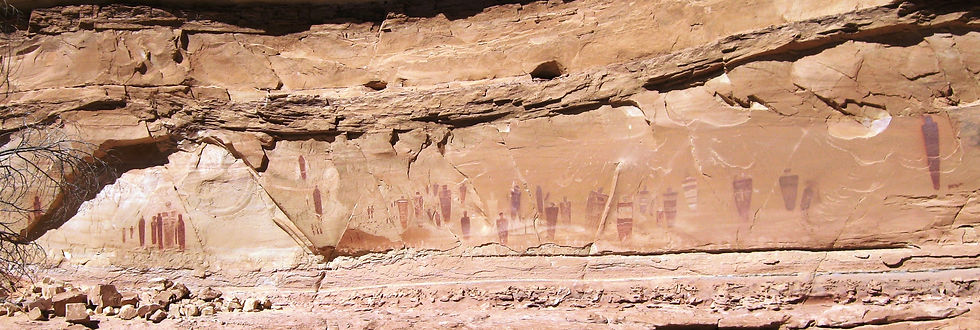
The Great Gallery: The grand climax of the trail—a sweeping 200-foot panel featuring over 80 life-sized figures, dominated by the famous 7-foot-tall "Holy Ghost" figure.
Standing in the shade of the Great Gallery alcove while listening to the wind rustle through the cottonwoods is an experience that stays with you for a lifetime.
Driving Routes & Logistics from Old La Sal
When planning your trip from Deer Creek Retreat, understanding your route and road conditions is critical for a smooth day.
Driving Routes from Deer Creek Retreat (Old La Sal)
Route A: Sego Canyon (35 Minutes North of Moab)
Take US-191 N past Moab to I-70 E.
Take the exit for Thompson Springs.
Follow the dirt road approximately 3 miles into the canyon to reach the petroglyph panels and ghost town ruins.
Route B: Horseshoe Canyon (2.5 Hours West)
Take US-46 to north US-191 N through Moab to I-70 west past Green River, UT.
Turn south UT-24 W and onto Goblin Valley Road.
Follow the graded dirt road roughly 30 miles to the Horseshoe Canyon West Rim Trailhead.
Road Surface Warning: The 30-mile dirt road leading to the Horseshoe Canyon trailhead is graded gravel, but it can develop severe washboards or become impassable mud after heavy rains. While high-clearance 2WD vehicles can usually manage in dry weather, a 4WD vehicle is highly recommended. Always check current road conditions at the Moab Visitor Center or Canyonlands Field Station before heading out.
High Desert Packing & Safety Essentials
The remote canyons surrounding Moab are beautiful, but they are completely unforgiving to unprepared travelers. Once you leave the main highways, emergency services can be hours away.
Here is what you need to carry in your pack for a safe day trip:
Water (1 Gallon Per Person): Dry desert air and steep canyon climbs drain hydration rapidly. Do not rely on natural canyon seeps or washes for drinking water.
Offline Navigation Tools: Cell towers do not exist inside Horseshoe or Sego Canyons. Download offline maps via AllTrails or Google Maps, and carry a physical topo map and compass in your pack. The Moab visitor center has the map as well.
Sun & Thermal Protection: Wide-brimmed hats, UV-blocking shirts, and sunscreen are mandatory. Desert temperatures swing dramatically—mornings can be freezing while mid-afternoons soar into intense heat.
Sturdy Footwear: Sandy wash hiking acts like walking on a beach, while slickrock descents demand solid tread. High-top hiking boots with ankle support are ideal.
Basic First Aid & Emergency Gear: Include blister tape, electrolyte packets, a multi-tool, a headlight (in case your hike takes longer than planned), and a satellite messenger (such as a Garmin inReach) for remote dirt roads.
Exploring Remote Canyons? Grab the High-Desert Field Manual ($2.99)
Heading off-grid to explore Barrier Canyon rock art or Horseshoe Canyon? Download our complete Moab & La Sal High-Desert Survival Field Guide—featuring our 1-gallon hydration formula, 12:00 PM alpine lightning rules, slot canyon flood protocols, and 10-essential trailhead audit checklist. Includes both a mobile PDF for your phone and a printable edition for your daypack.
High Desert Etiquette: Respecting Sacred Ground
When you visit Horseshoe Canyon from Moab, you are not stepping into an amusement park or a casual roadside attraction. For regional indigenous communities and local residents, these panels are living historical markers that carry profound cultural and spiritual weight.
Practicing strict wilderness etiquette ensures these irreplaceable sites remain preserved for future generations:
Never Touch the Panels: The natural oils on human fingers break down ancient iron-oxide binders and accelerate the erosion of sandstone surfaces. Even light touching causes permanent damage.
Never Chalk or Trace Figures: Adding chalk to highlight carvings for photographs or scratching initials into the rock face is a federal crime that permanently destroys ancient artwork.
Stay on Established Wash Trails: Stepping off trail damages fragile biological soil crust—a living black crust composed of cyanobacteria, lichens, and mosses that prevents soil erosion and nourishes desert plant life.
Keep Dogs Leached or Leave Them at Home: Pets are strictly prohibited in Horseshoe Canyon to protect wildlife and prevent damage to archaeological sites.
Practice the Five-Minute Silence: When you reach the Great Gallery, put your camera down for five full minutes. Sit quietly on the canyon bench, listen to the breeze, and allow the atmosphere of the place to settle around you before taking photographs.
The Ultimate Day-Trip Blueprint from Deer Creek Retreat
To help you make the most of your adventure, here is a recommended step-by-step itinerary that pairs a day of canyon exploration with the cozy, reflective evening quiet of Old La Sal:
6:30 AM – Morning Coffee on the Porch: Start your day early at Deer Creek Retreat. Sip hot coffee on the cabin porch while watching the first morning light rise from the east horizon and hit the peaks of the La Sal Mountains behind the main house.
7:30 AM – Hit the Road: Pack your daypack, double-check your water supply, and head west toward Green River and the Horseshoe Canyon turnoff.
9:30 AM – Begin the Horseshoe Hike: Arrive at the West Rim Trailhead. Descend into the canyon before the midday heat peaks, spending 3 to 4 hours exploring the four major panel alcoves.
2:00 PM – Tailgate Lunch at the Rim: Climb back out of the canyon and enjoy a well-earned tailgate lunch while looking out over the vast labyrinth of the Robbers Roost country.
4:30 PM – Sunset Stop at Sego Canyon: On your return trip, take the short detour to Thompson Springs and visit Sego Canyon as the late afternoon light illuminates the petroglyphs and ghost town ruins.
7:00 PM – Return to Old La Sal via US-191 through Moab- : Arrive back at Deer Creek Retreat as twilight settles over the basin. Fire up the stove in the full kitchen, pour a cold drink, and relax outdoors under an unbroken blanket of stars.
Returning to the Quiet of the Old La Sal Basin
There is a distinct satisfaction in returning to Old La Sal after a long day of high desert exploration.
While downtown Moab bustles with evening traffic, crowded restaurants, and noisy main-street energy, Deer Creek Retreat offers something far rarer: true sanctuary.
As you sit outside after dark, your body tired from miles of canyon hiking, the silence of the La Sal basin surrounds you like a comforting blanket. The stars above twinkle with incredible clarity, unpolluted by city lights.
You reflect on the figures you saw painted on the sandstone alcoves hours earlier—their hollow eyes, hovering torsos, and timeless presence. You realize that the same quiet, spacious darkness that inspired those ancient artists centuries ago is wrapping around you tonight.
You don't just visit the high desert; you let it change your rhythm.
Plan Your Unforgettable Desert Escape
Ready to plan your day trip and visit Horseshoe Canyon from Moab area while staying away from the crowd?
At Deer Creek Retreat, we provide the perfect launchpad for your high desert adventures—combining comfortable, modern lodging with the unmatched dark skies and quiet solitude of Old La Sal.
Reserve Your Stay: Choose between our spacious Main Cabin or our minimalist Tiny Home by visiting deercreeklasal.com.
Explore the Series: Catch up on Part 1: The Eyes in the Sandstone and Part 2: Shamanic Trance or Ancient Visitors?
Cheers,
Justin
About the Author
Justin holds a Ph.D. in Education and is an ordained professional chaplain specializing in the integration of choice theory, psychological resilience, and pastoral soul care. A former U.S. Army Chaplain who served ten years on active duty, he spent years in critical care hospital environments learning to sit with people in their deepest valleys and darkest nights. He currently serves as a chaplain with the Department of Veterans Affairs.
Justin is the primary researcher and writer for grittygritgrit.com, a platform dedicated to resilience, identity formation, and growth through life’s toughest challenges. He also shares reflections and retreat resources at deercreeklasal.com.


Comments